Briser le silence : améliorer la prise en charge des femmes touchées par la Bilharziose génitale féminine au Ghana
La Bilharziose génitale féminine (BGF) demeure l’un des problèmes de santé publique les plus négligés touchant les femmes et les filles dans le bassin de la Volta au Ghana. Souvent sous-diagnostiquée et mal comprise, cette maladie continue d’affecter la qualité de vie tout en restant largement méconnue dans les systèmes de santé de routine.
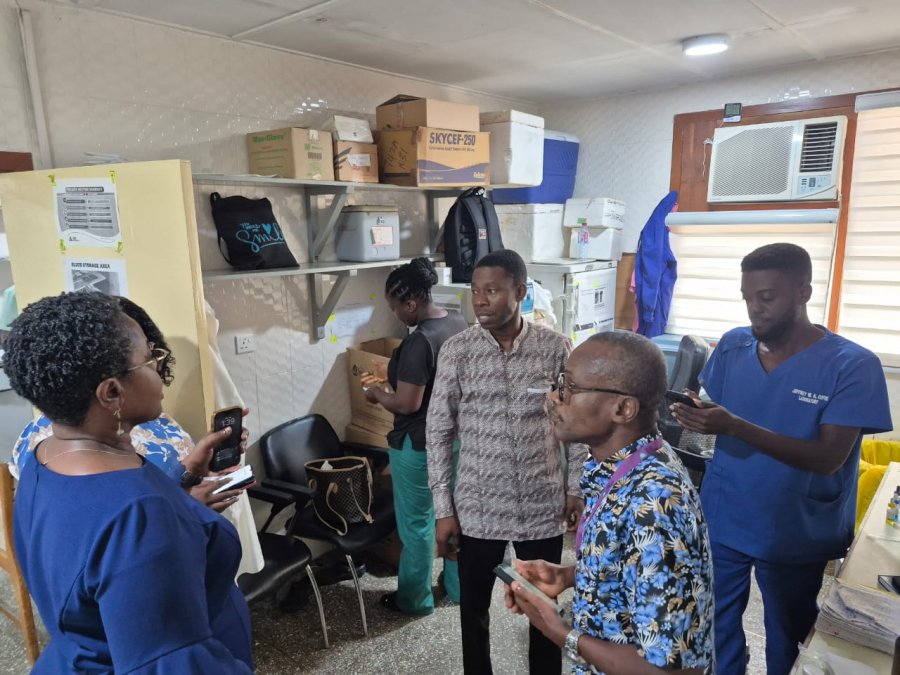
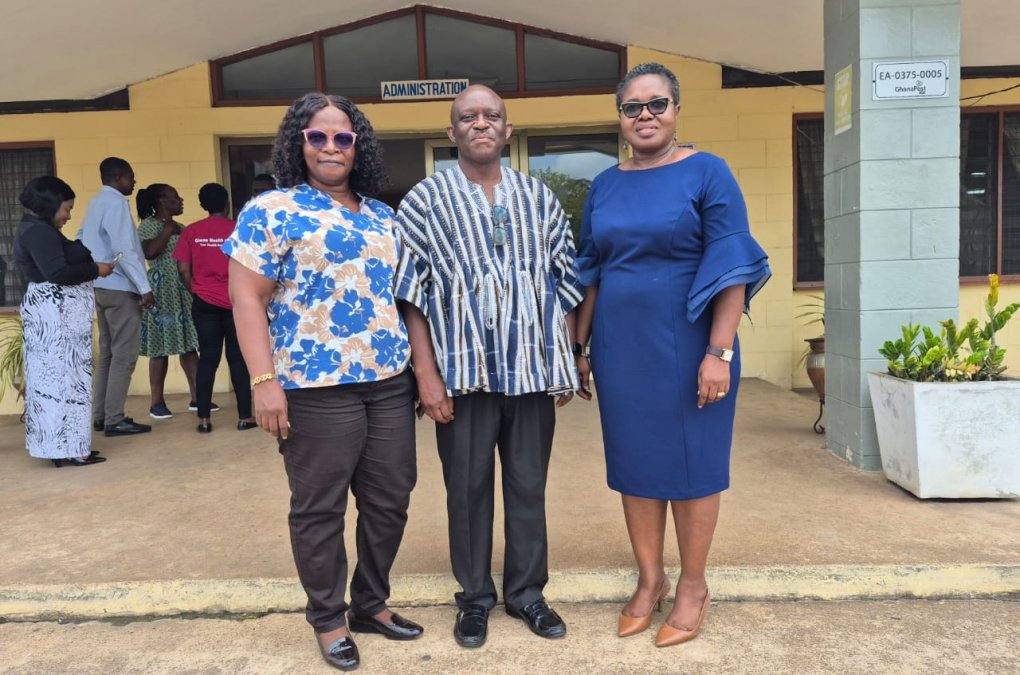
En réponse à cette situation, une équipe de l’University of Health and Allied Sciences (UHAS), dans le cadre du projet WINGS-4-FGS, a effectué une visite d’engagement des parties prenantes dans le district d’Asuogyaman le 1er avril 2026. Cette visite visait à renforcer la collaboration avec les autorités sanitaires locales et à aligner les activités du projet sur les priorités du district.
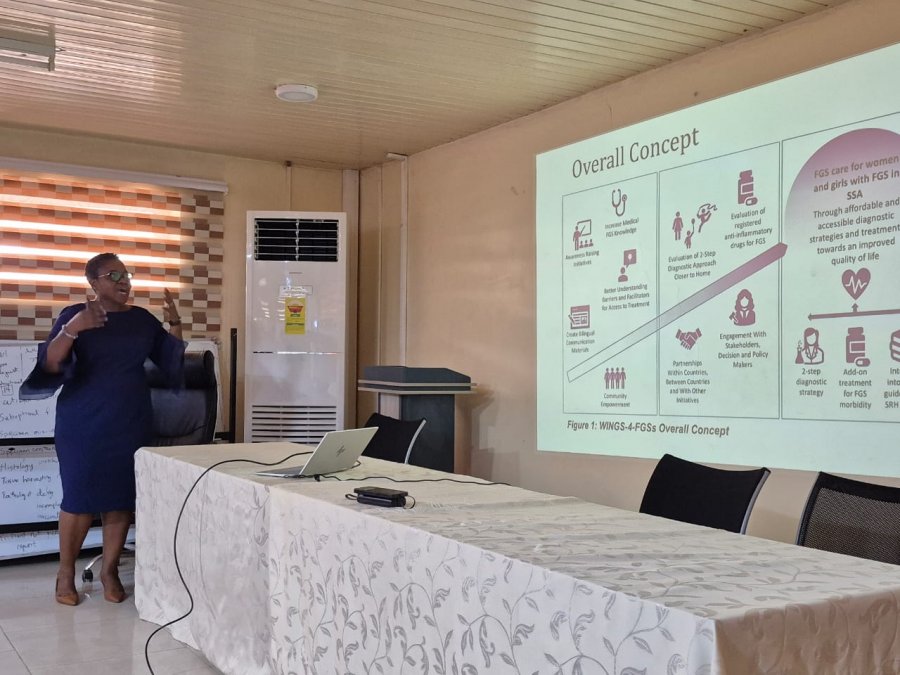
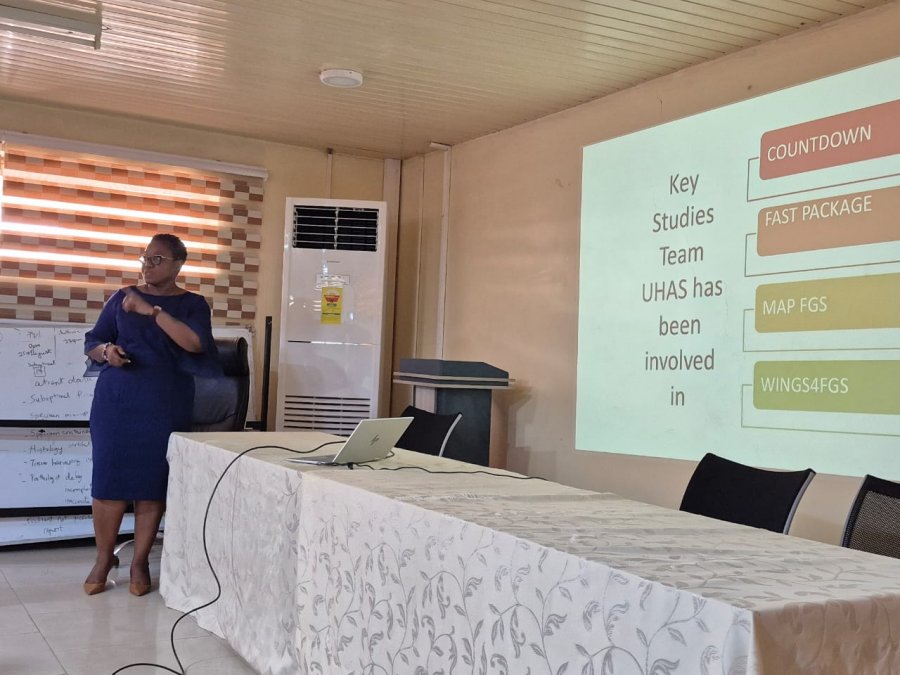
Présentant une vue d’ensemble du projet, la chercheuse principale du site, Margaret Gyapong, a souligné que WINGS-4-FGS est conçu comme une initiative durable destinée à être intégrée dans les systèmes de santé existants. Elle a indiqué que, malgré des années de recherche sur la schistosomiase, la BGF reste négligée en matière de sensibilisation communautaire, de formation, de diagnostic et de traitement, avec peu de données de prévalence disponibles dans le bassin de la Volta.
L’un des aspects clés du projet est son approche diagnostique centrée sur les femmes. Reconnaissant l’inconfort et la stigmatisation associés aux examens gynécologiques, le projet introduit l’auto-prélèvement comme première étape, permettant aux femmes de fournir des échantillons de manière plus privée et accessible. En outre, le projet explore de meilleures options thérapeutiques et renforce la prise en charge des patientes grâce à des supports de communication ciblés, des actions de sensibilisation et le renforcement des capacités des professionnels de santé.
Le projet accorde une grande importance à l’engagement communautaire. Les premières activités permettront d’évaluer les lacunes en matière de connaissances et d’impliquer les membres des communautés, les enseignants et les professionnels de santé dans la conception d’interventions visant à améliorer la sensibilisation et la compréhension de la BGF. Le district d’Asuogyaman, sélectionné en raison de sa forte prévalence, constitue un cadre essentiel pour ce travail, certaines communautés enregistrant des taux de prévalence dépassant 90 %.
Au-delà du diagnostic et de la sensibilisation, le projet vise à intégrer la prise en charge de la BGF dans les services existants de santé sexuelle et reproductive. Cette approche a pour objectif d’améliorer le dépistage précoce, de réduire la stigmatisation et d’élargir l’accès aux soins dans le cadre des services de santé de routine.
Cette rencontre a également permis de discuter des aspects liés à la mise en œuvre du projet, notamment la disponibilité des données, les approches d’échantillonnage et l’utilisation des structures de santé communautaires telles que les centres CHPS pour soutenir les activités de terrain. La collaboration entre l’équipe du projet et les parties prenantes du district reflète un engagement commun à répondre aux besoins de santé des communautés affectées.
Le projet WINGS-4-FGS représente une étape importante vers l’amélioration de la santé et du bien-être des femmes et des filles touchées par une maladie longtemps négligée.