WINGS-4-FGS consortium meets in Malawi to review progress and strengthen collaboration through hands-on training
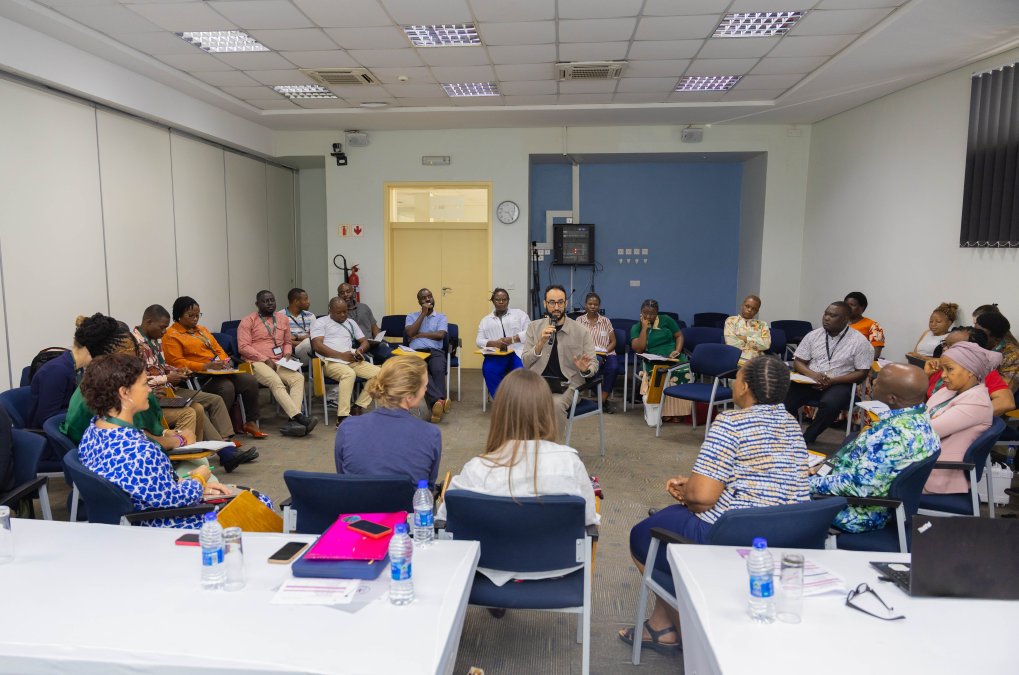
From 10 to 12 November 2026, the WINGS-4-FGS consortium gathered in Blantyre, Malawi, for its second in-person meeting. Hosted at the Malawi-Liverpool-Wellcome Clinical Research Programme, the three-day meeting brought together project partners to review progress, exchange experiences and strengthen collaboration through practical training sessions in preparation for upcoming project activities.
As WINGS-4-FGS progresses through its second year, the meeting provided an important opportunity to reflect on achievements and challenges, discuss ongoing activities and align priorities for the months ahead. Particular emphasis was placed on ensuring that partners share a common understanding of the procedures and responsibilities involved in implementing the project's research activities.
The meeting opened with a welcome address by Prof Wakisa Mulwafu from Kamuzu University of Health Sciences, followed by an introduction to female genital schistosomiasis (FGS) research and an overview of the project's progress.
Reviewing progress across the project
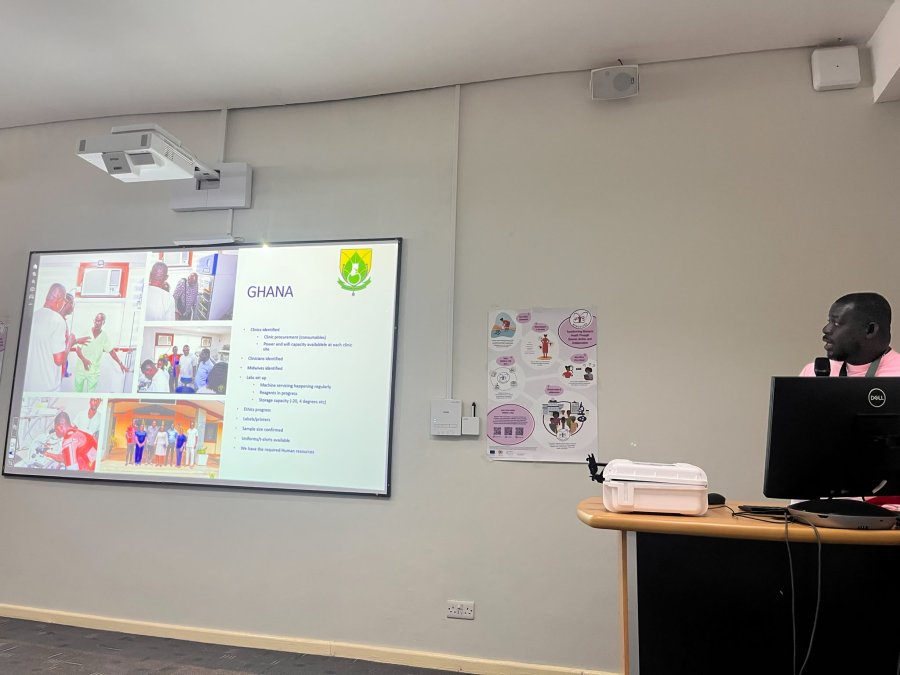
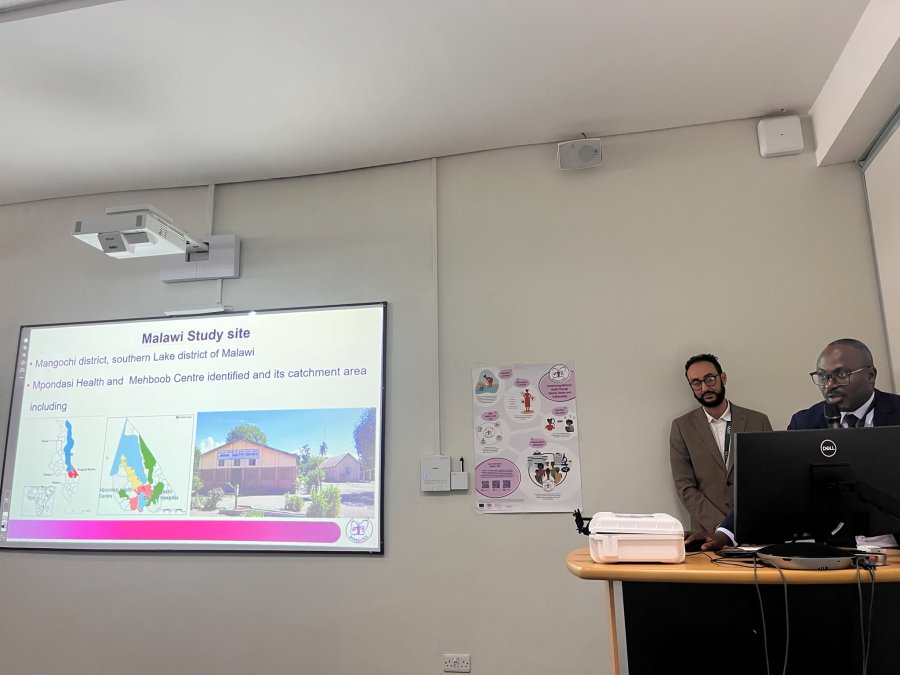
The first day was dedicated to updates from all seven work packages, highlighting the different approaches through which WINGS-4-FGS aims to improve the understanding, diagnosis and management of FGS.
Presentations covered ongoing efforts to increase awareness and knowledge of FGS through community-based interventions and healthcare worker training, as well as progress towards community-based diagnosis. Partners also discussed preparations for the proof-of-concept clinical trial investigating the efficacy and safety of anti-inflammatory drugs and explored challenges and opportunities for integrating FGS services into existing sexual and reproductive health programmes.
Further updates addressed scientific leadership, project management and coordination, and communication, dissemination and exploitation activities.
Together, these presentations provided a comprehensive overview of the project's progress while allowing partners to identify challenges, share lessons learned and discuss areas requiring coordinated action.
From discussions to practice: strengthening capacities across the consortium
The following two days focused on work-package discussions and practical training to support the consistent implementation of project activities across participating sites.
A central element was the delivery of four WINGS Training Packages, covering:
- Governance: Strengthening understanding of governance procedures, roles and responsibilities.
- Field: Preparing teams for the implementation of field activities.
- Laboratory: Supporting harmonised laboratory procedures and practices.
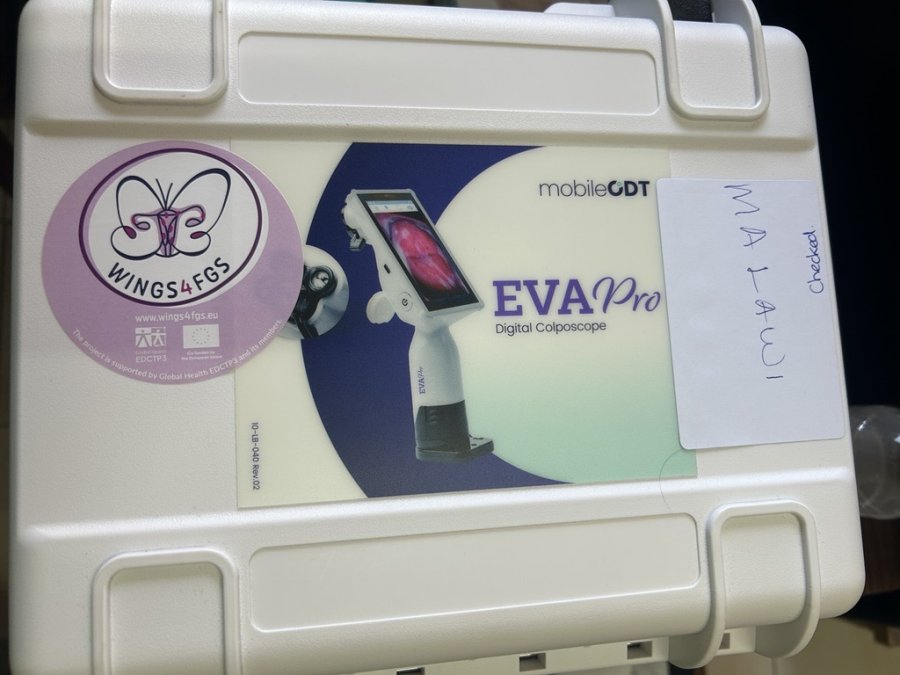
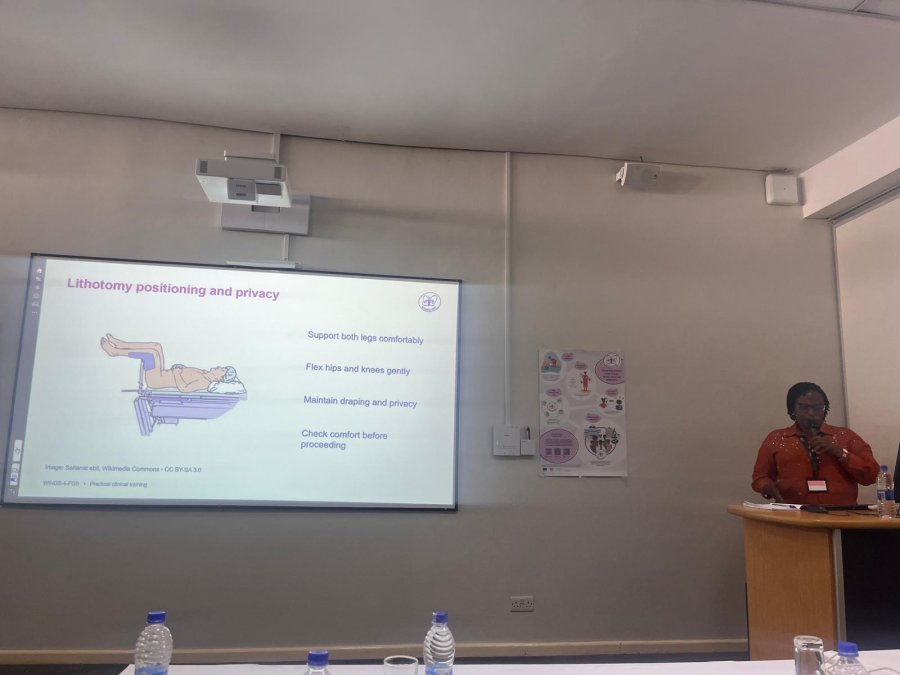
- Clinical: Familiarising teams with clinical protocols, electronic case report forms (eCRFs) and data procedures.
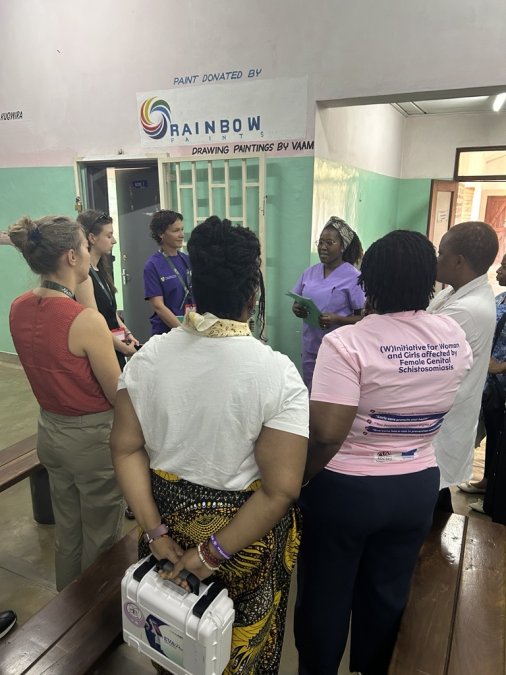
Training sessions combined theoretical discussions with practical activities at different locations, including the Kamuzu University of Health Sciences laboratory, Songwe and the Queen Elizabeth Central Hospital Gynaecology Clinic.
Partners also had the opportunity to tour the new, state-of-the-art facilities, gaining insights into the research infrastructure in Malawi supporting the project's activities.
Beyond developing technical skills, the training sessions encouraged participants to exchange experiences, clarify procedures and identify potential challenges before they arise during implementation. Establishing shared approaches across the consortium is essential for ensuring consistency, supporting reliable research outcomes and facilitating coordinated problem-solving throughout the project.
Moving forward with a shared understanding
The meeting concluded with reflections on the discussions and training sessions, alongside recommendations and priorities for the next phase of the project.
By bringing together scientific updates, collaborative discussions and hands-on training, the three-day gathering helped strengthen cooperation across the consortium and reinforce a shared understanding of the work ahead.
The meeting marked another important step towards the WINGS-4-FGS project's overarching goal of improving the recognition, diagnosis and management of female genital schistosomiasis.
A special thank you goes to the colleagues at the Malawi-Liverpool-Wellcome Clinical Research Programme and Kamuzu University of Health Sciences for their warm welcome, excellent organisation and support in hosting the meeting and training activities in Blantyre.
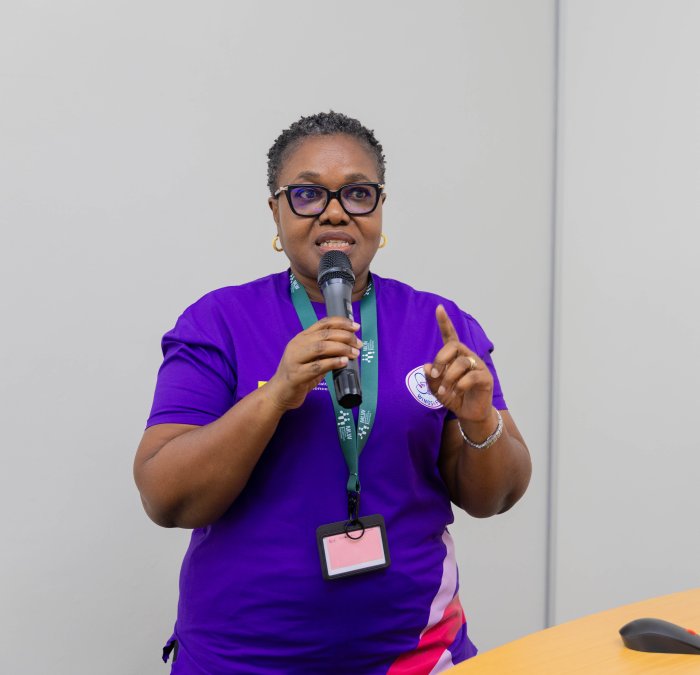
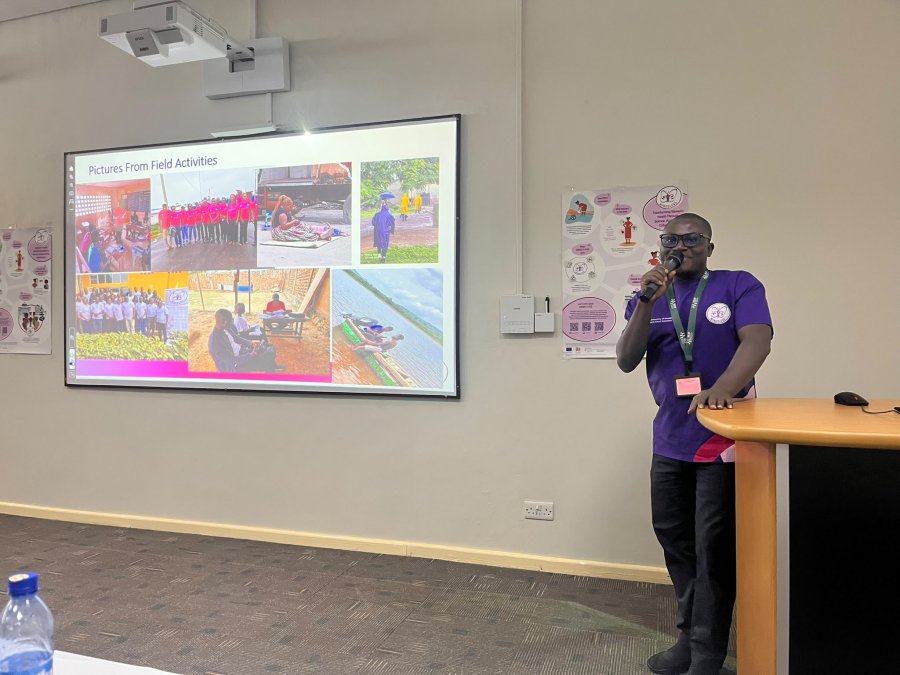
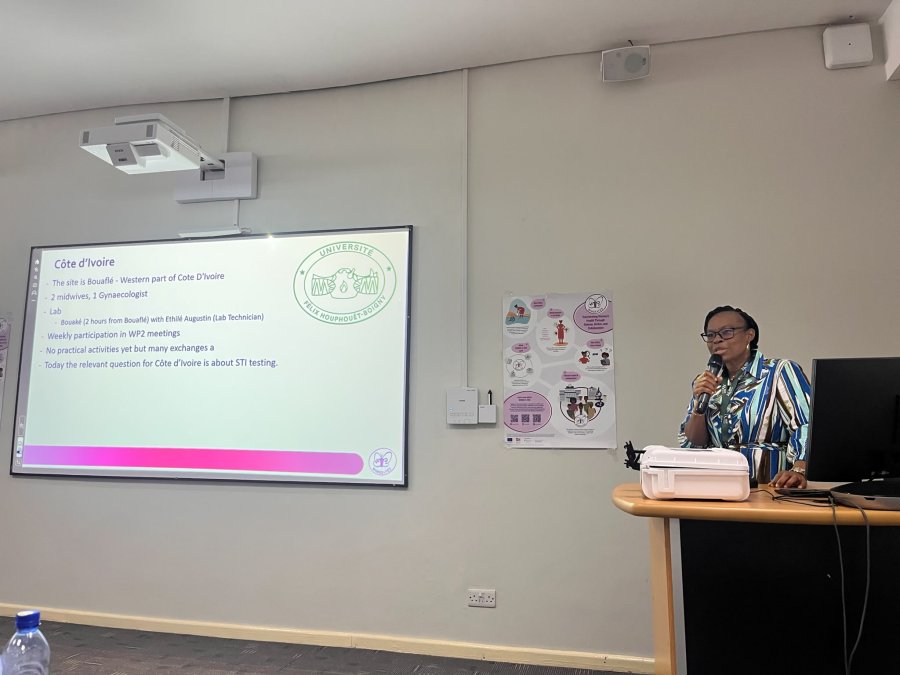
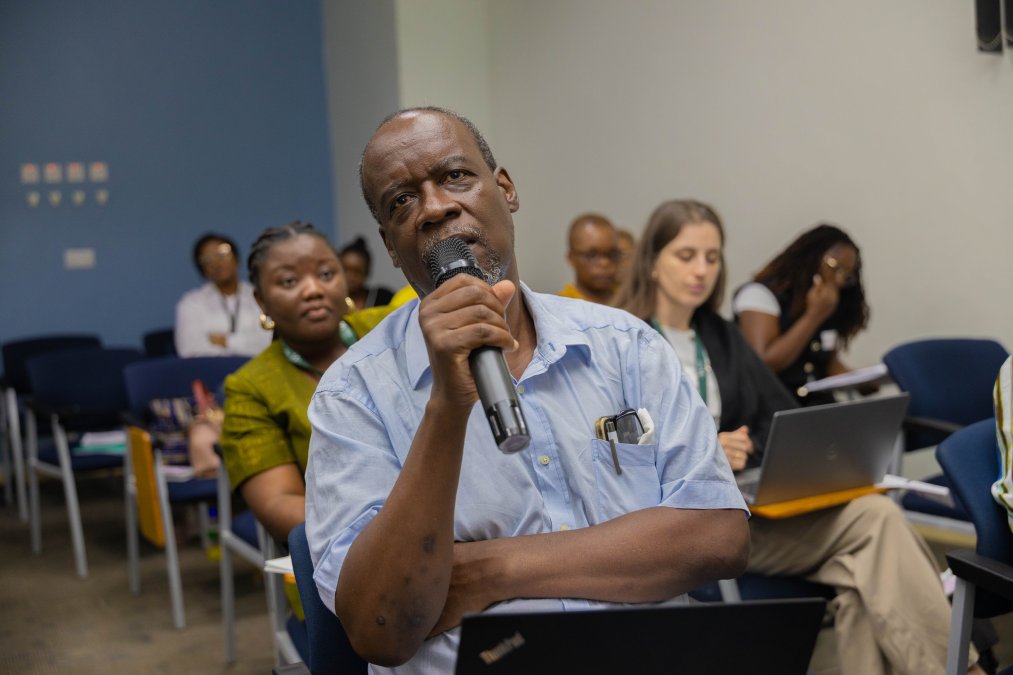
Here are some impressions from the three days: